Guides
A reborn doll is an ordinary vinyl or silicone sculpt transformed by hand into something that reads as a real infant. This page covers where the term came from, who actually buys them and why, and the questions people are reluctant to ask out loud.
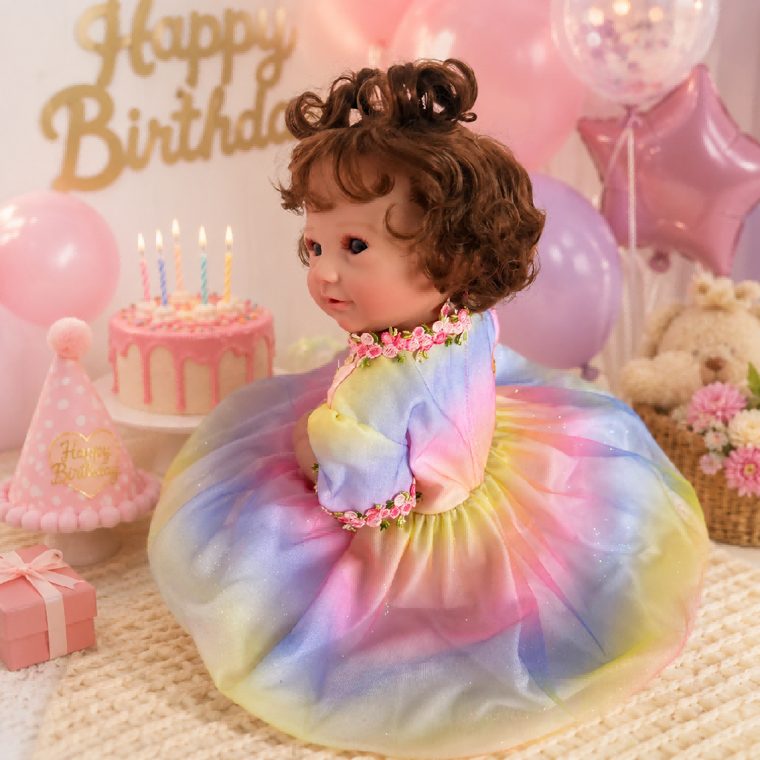
The word comes from the craft itself: reborning. An artist takes a factory-produced sculpt — a blank vinyl or silicone kit — and gives it a second birth through layered painting, hair rooting and weighting until it resembles a specific, particular baby rather than a generic doll.
The practice grew out of the doll-modifying hobby in the 1990s and turned professional as the finishing techniques improved. Today “reborn” describes a process, not a brand, material or quality tier. A reborn doll can be vinyl or silicone, inexpensive or museum-grade, and made by a hobbyist in a spare room or on a factory line. That is why the word alone tells you very little about what you are buying — see the reborn dolls guide for how to judge the result.
The reasons are more varied than the caricature suggests, and most buyers are not collectors in any formal sense:
These three groups want different things, and getting them confused is how people end up disappointed. Collectors prioritise craftsmanship — paint grading, rooting quality, a sculpt they do not already own. Care providers want durability, washability and a consistent specification across a large order. Gift buyers want something that photographs beautifully and arrives ready to present.
What they share is the outcome: the doll has to look real at arm’s length. What differs is where the budget should go. A collector pays for finishing nobody else will notice at a distance; a care home is spending money well when it pays for a heavier-weight, wipeable construction instead.
A standard baby doll is manufactured as a finished product: one or two paint passes, hair moulded or glued, hollow limbs, light weight. A reborn doll is finished to a specification — many translucent paint layers, hair rooted strand by strand, a body weighted to an infant’s centre of mass.
In practice the difference is felt before it is seen. A conventional doll weighing 300 g announces itself the moment you pick it up. Our own 18″ constructions run from 760–1,150 g in vinyl to 2,965–3,630 g in solid silicone, which is why the second category of doll is the one that gets carried like a baby.
Reborn dolls attract criticism from two directions, and both deserve a straight answer.
Some people find the realism disturbing, particularly when a doll is treated as a real baby. The honest response is that for a minority of owners, that treatment is the point — and for many dementia patients it is therapeutic rather than delusional. Care guidelines generally advise following the resident’s framing rather than correcting it.
The second concern is about children and adults who mistake a doll for a living infant, and about resale listings that misrepresent photographs as real babies. That is a photography and marketing problem, not a problem with the dolls. We do not retouch product photography, and we would encourage buyers to be sceptical of any listing where the “doll” looks too good.
Three axes matter when you are choosing:
Pick the material first, then size, then grade. Buyers who start from the finish usually overspend on detail they cannot see, or under-buy on weight that was the entire point.
Keep reading
FAQ
It refers to the making process. A factory sculpt — known as a kit — is transformed by hand through layered painting, hair rooting and weighting until it resembles a particular baby. 'Reborn' describes that process rather than a material or quality tier.
For craftsmanship, for comfort, and sometimes for grief. The painting and rooting are genuine skills that some collectors follow the way others follow ceramics. Others keep a doll because holding something with an infant's weight is soothing.
No. Collectors are a minority of buyers. Care homes use them as comfort objects for dementia residents, gift buyers want something lifelike and presentable, and photographers use them as infant props.
The craft of turning a blank vinyl or silicone kit into a lifelike doll: many translucent paint layers, hair rooted strand by strand, and a body weighted to an infant's centre of mass. It grew out of the 1990s doll-modifying hobby.
They attract criticism from people unsettled by the realism, and there are legitimate concerns about listings that pass photographs off as living babies. In care settings, doll therapy is generally accepted as a low-risk intervention when used within a resident's care plan.
Finishing quality and weight. A conventional doll is a finished product with one or two paint passes and hollow limbs; a reborn doll is finished to specification with layered paint, rooted hair and a realistically distributed weight.
Next step
Tell us the size, the material and the price band you are working to. We will tell you what we would run — and what we would not.
 HAL-see-on